
Practice
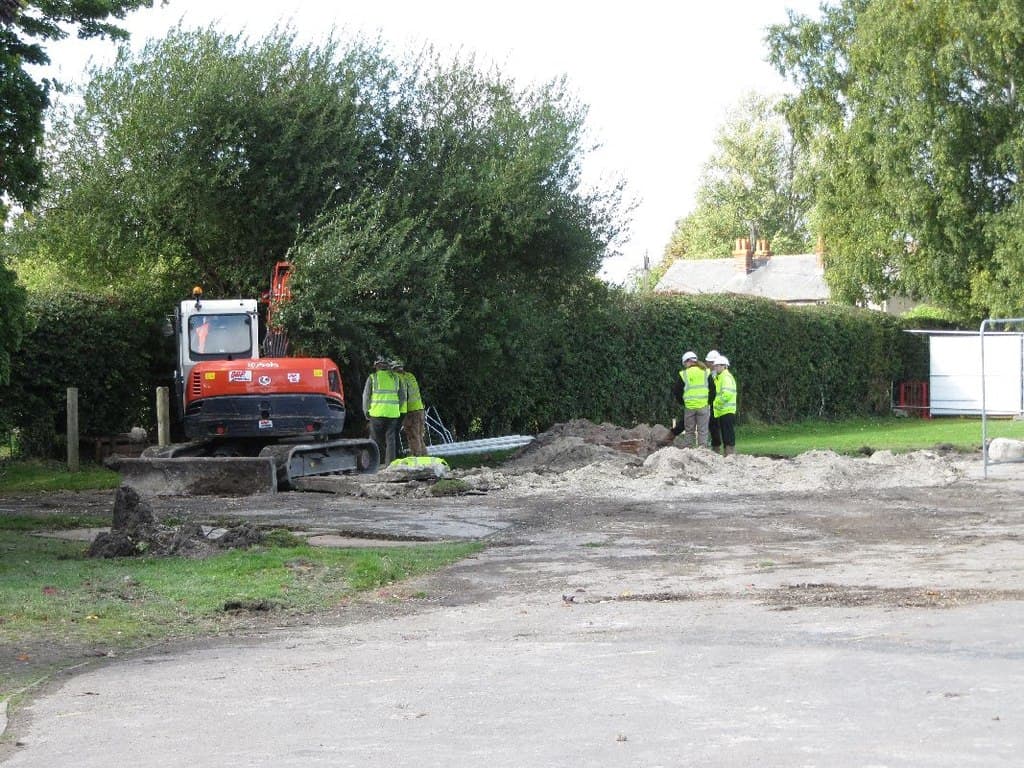
A tender is not a single number. It is inclusions, exclusions, PC sums, preliminaries and a programme, each of which can hide a different house. Here is the order to read them in, and the questions that make two prices comparable.
Sophie Lang · 14 September 2026
Practice
AS 4000, AS 4902 and ordinary domestic contracts all name someone who may instruct, and someone who only pays. Confusing those roles is how a nod on site becomes an unpaid variation. Here is who holds the purse, and what a direction actually is.
Sophie Lang · 17 August 2026
Practice
An elemental estimate is a structured guess. It dies when the first trade rings unless the rates, the risk allowances and the still-open decisions are written as what they are. Here is how to tell a quantity surveyor's number from a wish.
Sophie Lang · 21 July 2026

Practice
Past a point, another revision costs more than it saves — in fees, in holding costs, and in a builder who can no longer trust the drawings. Shop drawings are not design. Here is how to recognise diminishing returns and freeze a house that is ready enough.
Sophie Lang · 23 June 2026

Practice
Handover is not the end of the contract. Domestic building insurance, defects liability and statutory warranties overlap, and they are not the same thing. Here is what to log on the day, and what the first two years are actually for.
Sophie Lang · 12 May 2026

Practice
A specification that only works on the day of the final inspection is a photograph, not a building. Access, spare parts, coatings, gutters and replaceable assemblies decide whether the house can be cared for after the skip has gone.
Sophie Lang · 14 April 2026