How Australian precincts actually get financed
A masterplan is a picture of a place. Finance is a sequence of cash that has to survive pre-sales, infrastructure charges and a bank that will not fund a park. Pretty drawings stall when nobody can say who pays first.
By James Okonkwo, Cities editor · 7 min read
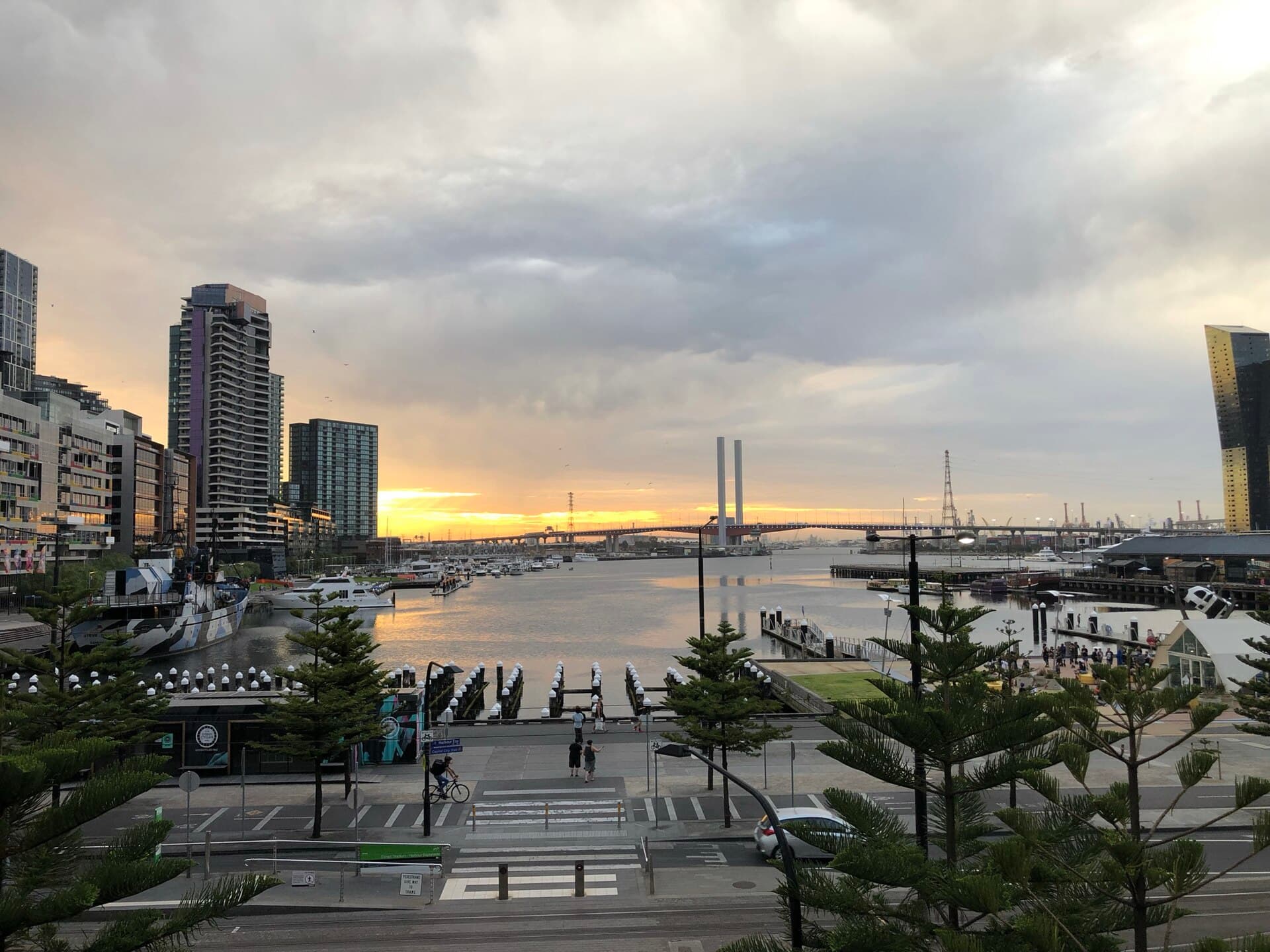
Image: Slyronit. CC BY-SA 4.0. See the image credits.

Australian precincts are drawn as places and financed as sequences. The drawing shows a promenade, a grove, a supermarket that is somehow also a civic room. The sequence is uglier. Someone holds the land. Someone pays for a road, a drain and a park that do not sell. Someone then asks a bank for construction money, and the bank asks who has already bought an apartment that does not yet exist.
The cities hub is full of arguments about height and character. Those arguments matter. They are not why a waterfront sheet of coloured blocks sits idle for a decade. Precincts stall when the money cannot be stacked in an order a cautious institution will sign.
The stack, not the skyline
A precinct is financed as layers, and the layers have different appetites for time and risk.
Patient equity buys or holds the land, pays the planners, and waits while the first street is still a clay paddock or a contaminated yard. It accepts that a precinct is not a three-year house. Superannuation capital, sovereign-linked vehicles, university or hospital landowners, and the occasional family that has held the site since the factory closed — these are the people who can wait. They want a return. They do not need the return next spring.
Development equity is shorter and hungrier. It comes in for a stage, takes a development margin, and wants out when the last certificate of occupancy is issued. It will not fund a grove that matures in 2040. It will fund a building that settles in 2029.
Senior debt is the construction loan. Australian banks still do this work, cautiously. They lend against a building contract, a quantity surveyor’s reports, and a pre-sales book or a lease book that would still look respectable in a downturn. They do not lend against a rendered dusk. They do not lend against a vision. They lend against a residual that still works if prices soften and if the builder does not go broke.
Mezzanine or preferred equity sits between them when the senior lender will not stretch. It is expensive. It is also how many first stages start.
Government is a set of switches: written-down land, enabling infrastructure, a contributions credit, a civic building that anchors the first street. Used well, it makes a residual positive. Used as a wish — “the state will pay for the park” — it is how a masterplan becomes a brochure.
Write the stack beside the yield study. If you cannot name who holds the land through year eight, you have a drawing of a precinct, not a precinct.
Patient equity is a temperament
The phrase gets used as if it were a product. It is a temperament. Patient capital can live with a planning-scheme amendment, a contamination report that finds a tank, and a first stage that is mostly civil works. It cannot live with a model that assumes every parcel is a high-rise sold off the plan in the same cycle.
That is why hospital campuses, ports, university land and old industrial estates are the precincts that sometimes get built. The owner is already there. The alternative to waiting is not a quick sale; it is a worse use. Greenfield land can also find patient money, but only if growth-area contributions and the timing of arterial roads are treated as facts.
Patient equity will still walk. It walks when the residual goes negative: charges, housing requirements, basement parking, delayed connections and a soft pre-sales book leave no land value after a sensible profit. At that point the pretty masterplan is not ambitious. It is insolvent.
Debt wants a building, not a district
A construction lender looks at a stage, not at a 20-year framework plan.
What a first stage must prove
The questions are almost always the same.
- Is there a builder with a contract the bank can understand — often design-and-construct — and a security package that survives a default?
- Has an independent quantity surveyor priced the works, including the civil and public-realm items that architects leave in the “landscape” column?
- Are pre-sales, for a residential stage, deep enough that the loan is covered if the unsold stock has to be discounted?
- For commercial or hotel, is there a pre-commitment or an operator, and is the lease term long enough to be a number rather than a hope?
- Can this stage stand alone if the next stage never happens? A podium that only makes sense when the second tower arrives is not a stage. It is a hostage.
Pre-sales are the part civilians find distasteful and bankers find obvious. An off-the-plan contract is a deposit, a sunset clause, and a purchaser. In a tight market the book fills. In a soft market the most beautiful waterfront in the state cannot get a slab poured.
Build-to-rent changes the conversation. It is valued as a yield on a finished, let building, not as a margin on a sold tower. The capital is different. A masterplan that assumed every block was strata product will have to be redrawn.
Government pays for gates, not gardens
Australian governments do fund precincts. They fund them badly when they fund pictures, and better when they fund the thing that unlocks a private residual.
Enabling infrastructure is the honest spend: a bridge, a drain, a tram stop, a substation, a cleaned contamination. Land can be written down if the public owner wants a mix the market will not pay for. Works-in-kind can let the first mover build a road and get a credit, rather than writing a cheque into a fund that will not deliver the road until 2035.
What government rarely does is pay for the decorative public realm the brochure needs. A water feature is not infrastructure. If the civic room is real — a library, a clinic — put it in the first stage as a funded building. If it is a caption, take it out of the cashflow.
City deals and development corporations can hold land and sequencing. They still need a private stack.
Infrastructure charges are a design constraint
Contributions are not a footnote. In growth areas they can decide whether a terrace is possible. In inner precincts they arrive as a local contribution, a state contribution, a drainage charge, an open-space levy, and sometimes a housing contribution.
Name the regime. Victoria’s growth-area infrastructure contribution is not a New South Wales state infrastructure contribution or a section 7.11 offer. Queensland’s infrastructure charges schedule is not a vibe either. Timing matters more than the headline: a charge payable at subdivision is a different animal from a charge payable at occupancy.
Works-in-kind are often the only way a first street gets built. They are also a construction project: a council specification, a defects period, and an argument about whether the park unlocks the credit. Draw the park as a contract, not as a watercolour.
Why pretty masterplans stall
They stall because they were drawn as a finished city and financed as a prayer.
The usual pattern is familiar. The land is in several titles, and two owners will not sell at the residual. Contamination arrives after exhibition. The arterial road is in a ten-year program and the supermarket will not sign. Pre-sales are weak because the first stage faces a compound. The public realm is magnificent and owned by nobody who can maintain it.
A masterplan that cannot be staged is a poster. Each stage must have a street, a residual that is positive, and a public edge that does not depend on a dotted line. Mid-rise missing middle: what councils will actually approve is the planning half of that honesty. The finance half is simpler: the first stage must stand if the rest is torn up, and it must succeed without the park government has not funded.
A precinct is not insolvent because it lacks ambition. It is insolvent because the first street cannot pay for itself, and nobody was asked to.
Draw the money before the grove
If you are the designer, you are not the financier. You are still the person who can make the thing unfinanceable. A basement that exists only to hide cars, a podium that cannot be a completed building, a mix that assumes retail will pay inner-city rents on a windy street — these are drawings that kill residuals.
Do the dull work early.
- Survey the titles, easements and existing uses as if they were structure.
- Price contamination, demolition and enabling civil works as line items, not as “site allowances”.
- Ask which contribution regime applies, when it is payable, and whether works-in-kind are even available.
- Draw a first stage that a bank could fund if the rest of the framework plan were torn up.
- Give the public realm an owner and a maintenance budget, or admit it is leftover space.
- Separate the product: strata to sell, build-to-rent to hold, civic to be funded, retail that can actually trade.
The harbour photograph will still be useful. Do not lodge it as if it were a capital stack. The stack is land that can wait, a stage that can stand, a lender who can measure, and a government that pays for a gate rather than a mood. When those four are in the room, the masterplan can be a set of streets. Until they are, it is a picture of a city that has not yet found anyone to pay for Tuesday.
Questions from the job
- Why do banks refuse to fund a precinct that already has a beautiful masterplan?
- Because a masterplan is not a cashflow. A construction lender wants a builder, a contract, a quantity surveyor, and enough pre-sales or pre-commitments to cover the loan if the market turns. Parks, promenades and civic rooms are costs until someone else pays for them.
- Can government money replace patient equity?
- Rarely. Grants and land write-downs can make a first stage possible. They do not sit in the project for a decade while streets mature. Patient equity is the capital that can wait. Government is usually the capital that unlocks a gate, then leaves.
Keep reading in Cities
Cities
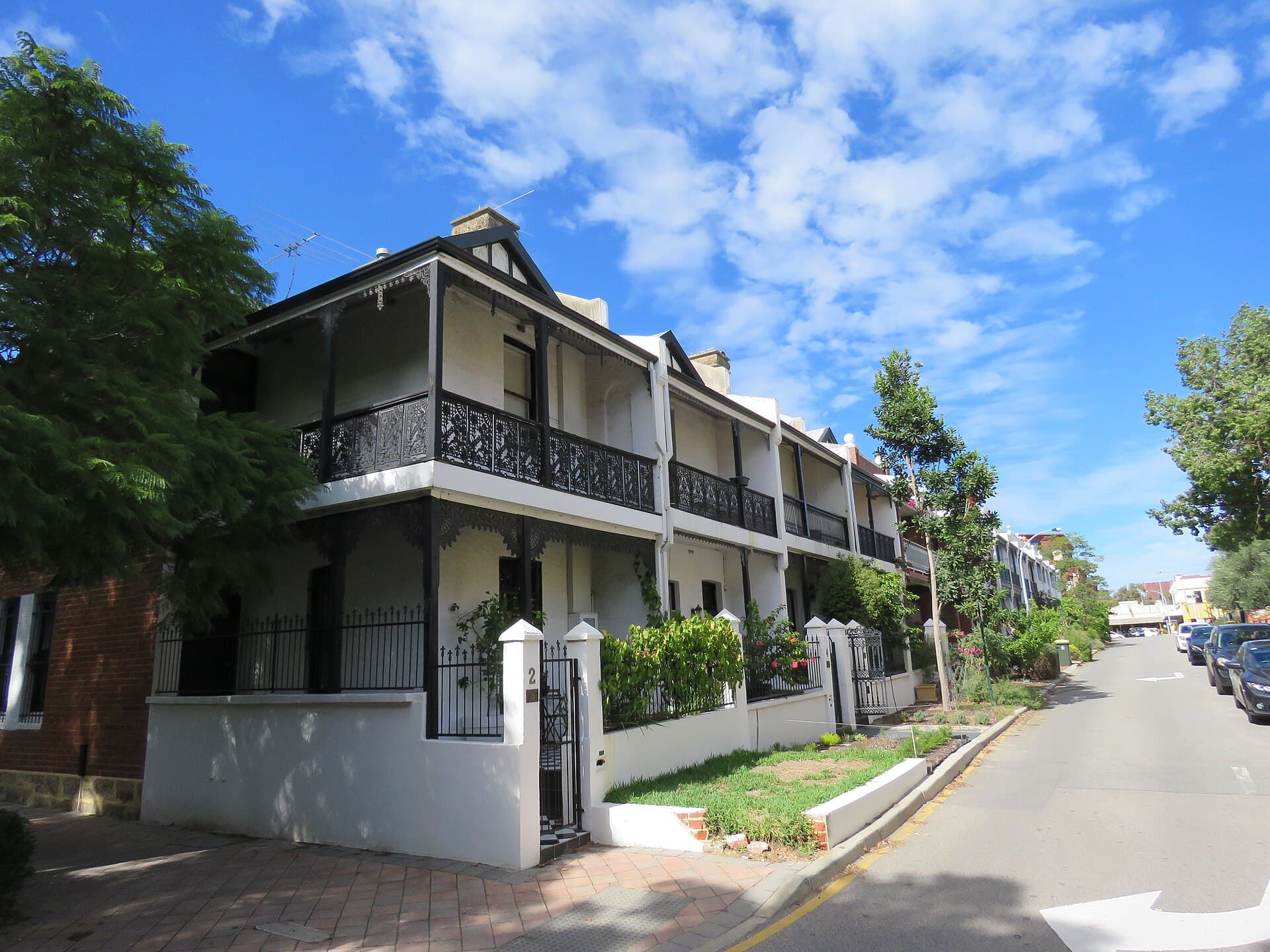
Mid-rise missing middle: what councils will actually approve
Missing middle is a slogan until it meets height, setbacks, parking, winter shadow and a character clause. Councils approve the scheme that can be measured. They refuse the scheme that asks them to like it.
James Okonkwo · 6 August 2026
Cities
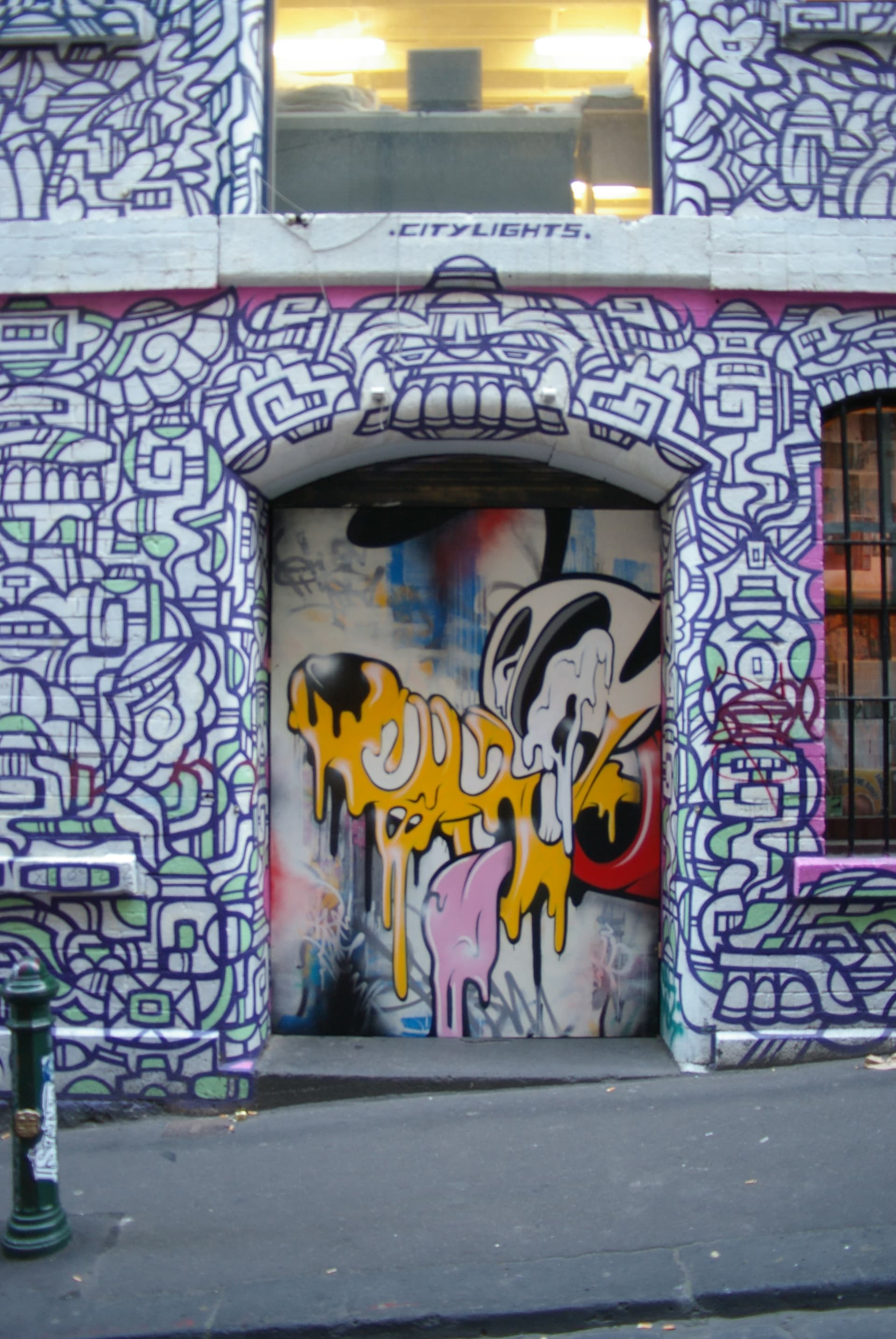
The laneway, the setback and the neighbour
Most Australian density is decided at the side fence and the rear lane, not on the skyline. Overlooking, waste, fire access and a setback you can measure are the neighbour’s brief. Ignore them and the street will write them for you.
James Okonkwo · 2 July 2026
Cities
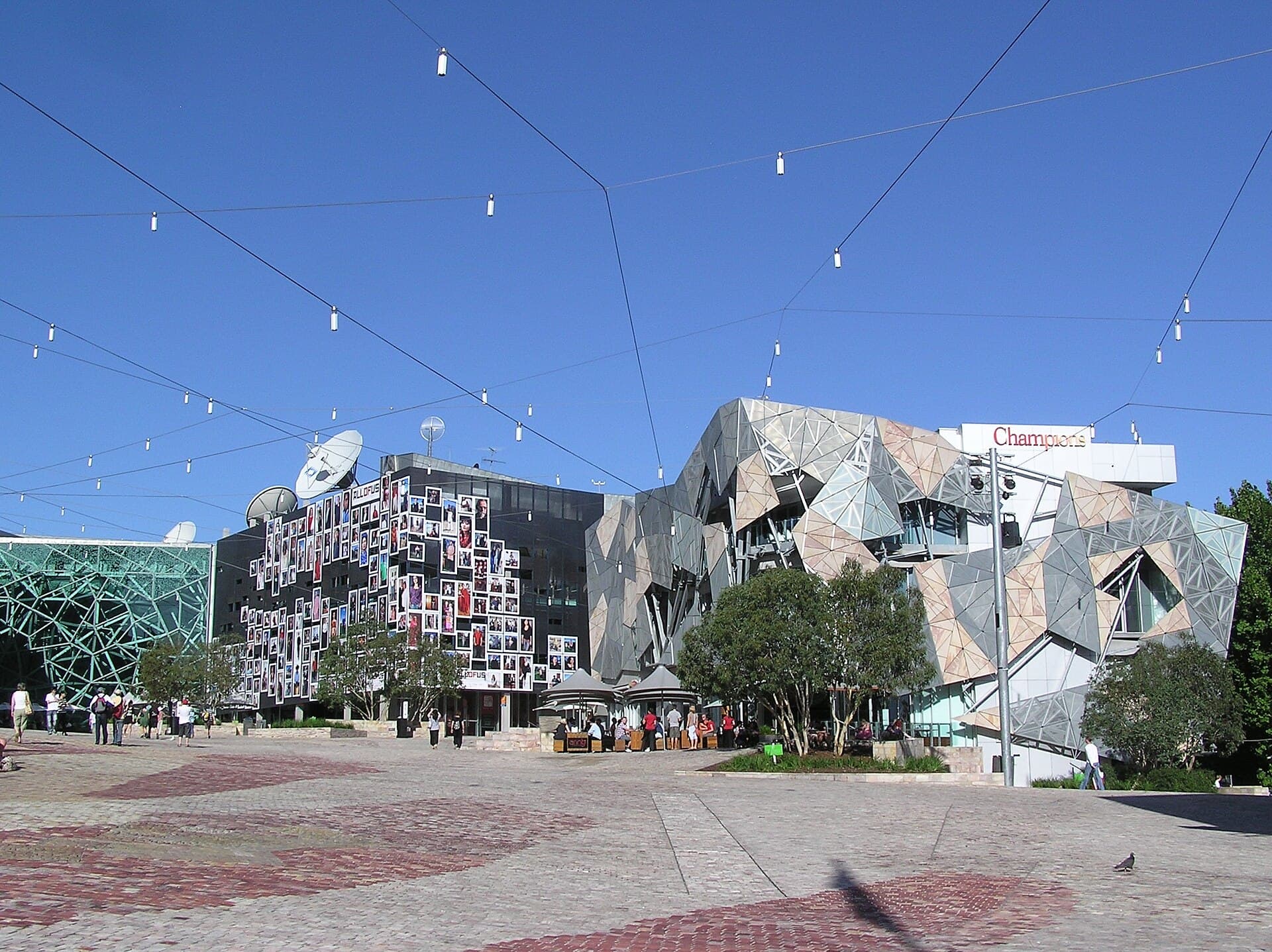
Public realm that is not leftover space
A plaza that nobody owns is a maintenance problem with pavers. Shade, seats, edges and a ground-floor use have to be designed as a place and funded as an asset, or the leftover will show as soon as the flags come down.
James Okonkwo · 11 June 2026