Concrete done properly in an Australian climate
Mix, cover, heat and shrinkage decide whether a slab is a structure or a claim. This essay covers exposure classification, curing in real weather, and pouring on reactive clay without rewriting the engineer's assumptions.
By Priya Nair, Materials editor · 7 min read
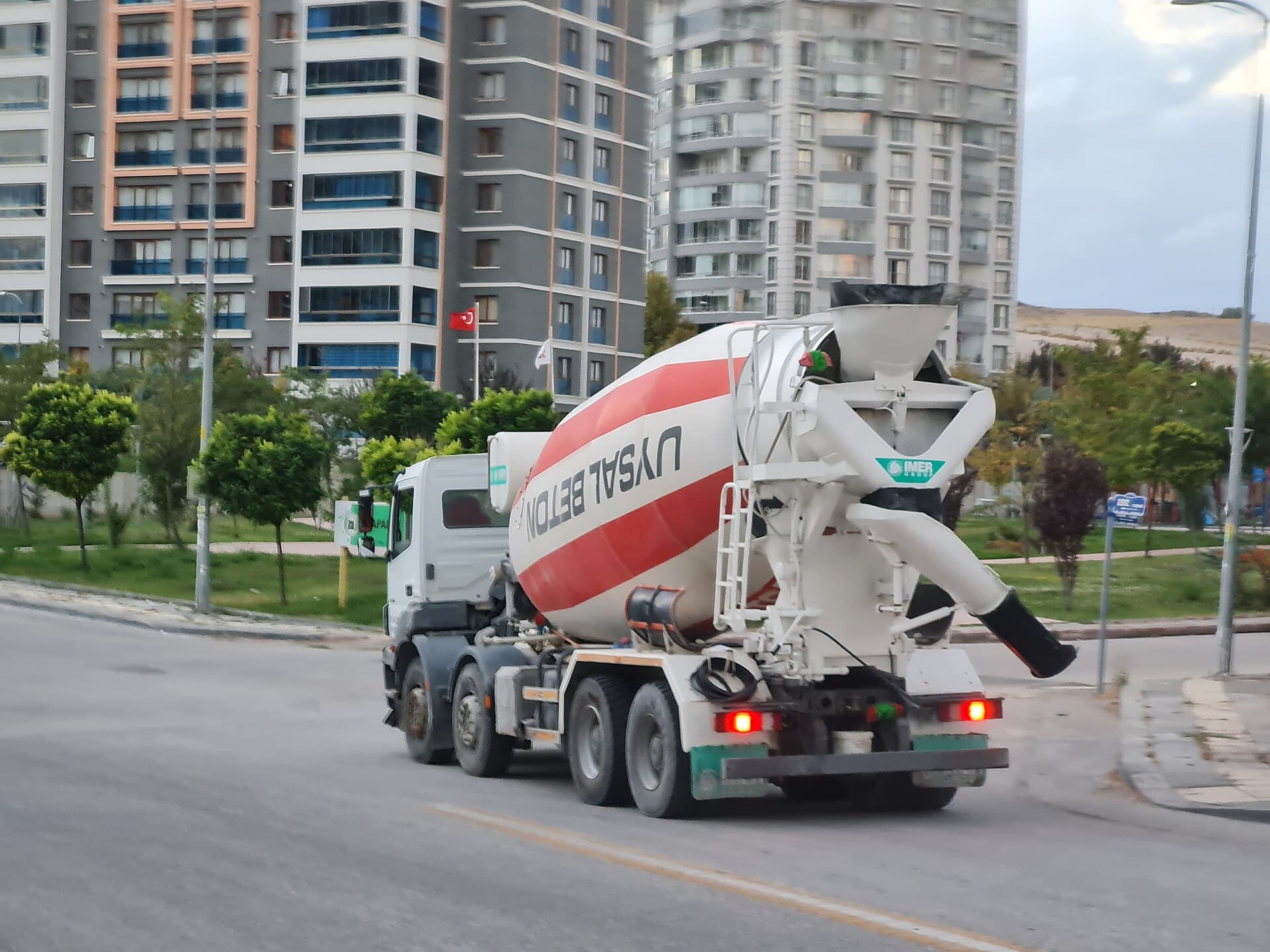
Image: LordReco. CC BY-SA 4.0. See the image credits.

Concrete is sold as a grey certainty. In Australia it is a wet material asked to harden in heat, in wind, in coastal salt, or on clay that will move after the truck has gone. The drawing says 25 megapascals and 40 millimetres of cover as if those numbers were a personality. They are a bet about moisture, temperature and time. Lose the bet and you still have a slab. You may not have the slab the engineer signed.
This is a materials essay, not a pour-day diary. For the Melbourne calendar and the clay that writes it, see wet weather, clay soils and the Melbourne build. For the sequence that holds the pour as a hold point, see the construction hub. What follows is what the material itself is asking.
Mix is a climate specification
A residential mix is often ordered by a strength grade and a slump. Strength is the easy number. Durability, heat of hydration, shrinkage and the finish you can actually achieve decide whether the slab is still flat in ten summers.
Write the mix as a set of conditions, not a single megapascal:
- Strength grade, as the engineer requires, not as a habit from the last job
- Exposure classification, which changes cementitious content, water–cement ratio and cover
- Aggregate, including whether it is reactive or recycled
- Supplementary cementitious material — fly ash, slag — which can help durability and heat, and can slow early strength in a cold week
- Admixtures, especially retarders in heat, and the temptation to add water on site because the pump is waiting
- Slump, as a placing method, not as a way to make a stiff mix travel further than it should
Water on site is the most common redesign of a mix. A driver in traffic, a pump that wants an easier hose — these add litres the ticket did not contain. The strength may still scrape through a cylinder. The shrinkage and the durability will not. In the north, a mix that sets in the truck is a temperature and a travel time. Retarders and night pours are mix design. In an alpine winter the opposite problem appears. Do not strip or load because the calendar is lonely.
Cover is the durability you can measure with a ruler
AS 3600 treats cover as the distance between weather and steel. Clients treat it as the thing that stops them having a thin, elegant edge. Both are describing the same millimetres. In a sheltered internal slab they are modest. In a coastal slab, a balcony, a pool surround or a retaining wall, they grow. They grow again if the mix is not the mix the classification assumed.
A polished slab that needs the steel closer to the surface than the exposure class allows is not a finish. It is a conflict. Resolve it in the drawing: a topping, a different classification if the engineer will give it, or a finish that is not the structure. Do not resolve it by chairing the mesh "a bit higher" because the sample looked creamy.
Chairs, bar size, and the traffic of a crew on the steel before the pour are how cover is lost. Mesh walked into the sand is not 40 millimetres of cover. It is a photograph of mesh. Carbonation, chlorides and a splash zone are not only a marine engineer's problem. A house 400 metres from breaking waves, a balcony that is hosed, a slab that takes a driveway — these are exposure. The NCC will not invent a mix for a pretty edge with no cover left.
Heat is a placing problem before it is a comfort problem
Australian heat attacks concrete in two directions. The air and the wind take water from the surface. The hydration of a thick raft puts heat into the mass. Plastic shrinkage cracks on a February slab are a surface that evaporated faster than bleed water could replace.
Hot-weather practice is dull and it works:
- Shade and dampen the subgrade or the form, without turning the pad into a puddle
- Time the pour for the morning, or for a night if the job is large enough to justify it
- Keep the mix cooler at the plant if that is a real option, not a caption
- Have the finishing crew and the curing gear on site before the truck, not after the last load
- Stop adding water because the surface looks hungry. It is hungry for curing, not for a hose in the mix
Wind is the hidden heat. A mild day with a dry northerly will crack a slab faster than a hotter still afternoon. Evaporation retarders and plastic ready to pull are part of the mix as surely as the cement.
Curing is not a summer courtesy
A slab left to a January wind, or to an August wind on a wet base, is not being cured. It is being dried from the wrong side. Seven days of moist curing is how the strength and the shrinkage in the model have a chance of appearing in the field. Spray-on compounds work at the coverage on the ticket. Water curing works when someone keeps it wet. A single sprinkle at knock-off is a gesture.
Shrinkage is a plan, not a surprise
Concrete shrinks as it dries. The mix, the thickness, the reinforcement, the joints and the restraint of the ground decide where that shrinkage becomes a crack. A house slab is a thin, highly restrained element with holes for pipes, a thickening at the edges, and a client who will see every line in a low afternoon sun.
Joints are how you choose the lines. Saw cuts at the right time — not the next morning because the saw was on another site — and isolation from rigid walls and from a terrace poured hard against the house: these are the specification. A polished floor with no joint plan is a glossy map of restraint. Drying shrinkage is worse when the mix was wet, when the slab is thin, and when heating pulls moisture out of the top. In air-conditioned houses the slab can keep drying for months. The crack after handover is often the crack that was always coming.
Restraint from reactive clay is a different author. The slab is a stiffness for a range of movement. If the moisture under it goes outside that range, the slab is being asked to be a beam it was not paid to be. Keep the moisture even. That is a drainage instruction, and it is still your pour.
Exposure classification, said in language a site can use
AS 3600's exposure classes are not a personality test. They describe the chemicals and the weather the concrete will see.
- A1 / A2: internal or sheltered work. Do not assume a garage or a wet area is automatically this kind.
- B1 / B2: in-ground and coastal nearness. Keep the water–cement ratio down and the cover honest.
- C classes: severe marine. A beach house slab or a pile in salt water — not a suburban patio with a view of the water, unless the spray actually arrives.
- U: something the standard classes do not cover. Write the something.
The class belongs on the drawing next to the mix and the cover. A specification that says "N25" and nothing else is asking the batch plant to guess the climate. The plant will guess a house mix. The balcony will not forgive it. Sulphates in some soils, chlorides in others, and groundwater that wets the underside of a raft are site facts. Skip the membrane because it wrinkled in the wind and you have changed the exposure of the underside.
Slabs on reactive clay
A waffle raft or a stiffened raft on Class H or E clay is a concrete object designed for a soil that drinks. The pods, the edge beams, the mesh and the topping are a section. Mud in that section is not "a bit of extra cover". It is a change to the depth and to the moisture the classification assumed.
The pad should be cut, protected and not a pond. If the trenches shine, you do not steel them because the pump is booked. You wait, you pump the water, or you speak to the engineer. A cancelled pour is a preliminary. A slab with clay in the edge beam is a building you will discuss for a decade.
Trees, leaking drains and a downpipe that discharges onto the pad during the build rewrite the moisture condition. Temporary downpipes the week the roof goes on look like plumbing. They are how the raft stays the raft. Do not use the pad as a road. Truck tracks change the level, the moisture and the edge. A crushed-rock access that is not the slab is cheaper than a beam you have to argue about.
Concrete does not fail in Australian weather because the weather is unfair. It fails because the mix, the cover and the curing were specified for a milder day than the one that arrived.
The NCC will accept ordinary residential concrete made to the standard the drawing named. It will not accept a finish that ate the cover, a mix watered to make a Friday, or a raft poured into weather the site class did not include. Write the climate on the pour plan. Write the mix and the cover as answers, not as defaults.
Questions from the job
- What does an exposure classification actually change on a house slab?
- It changes the mix, the cover to the steel, and whether a pretty finish is still legal. A1 and A2 are kinder internal and sheltered work. B1 and B2 are the coastal and in-ground conversation. C classes are for severe marine and similar punishment. If you specify a polished slab in a classification that needs more cover or a different mix, you are specifying a fight between the architect's sample and the engineer's table.
- Can I pour a waffle raft on Melbourne clay in a wet month?
- Yes, if the pad is the pad the classification assumed, the pods are not floating in a pond, and someone is willing to cancel. No, if the trenches are shining and the program says the frame starts Monday. The clay essay is the calendar. This one is the material. They are the same pour.
Keep reading in Materials
Materials
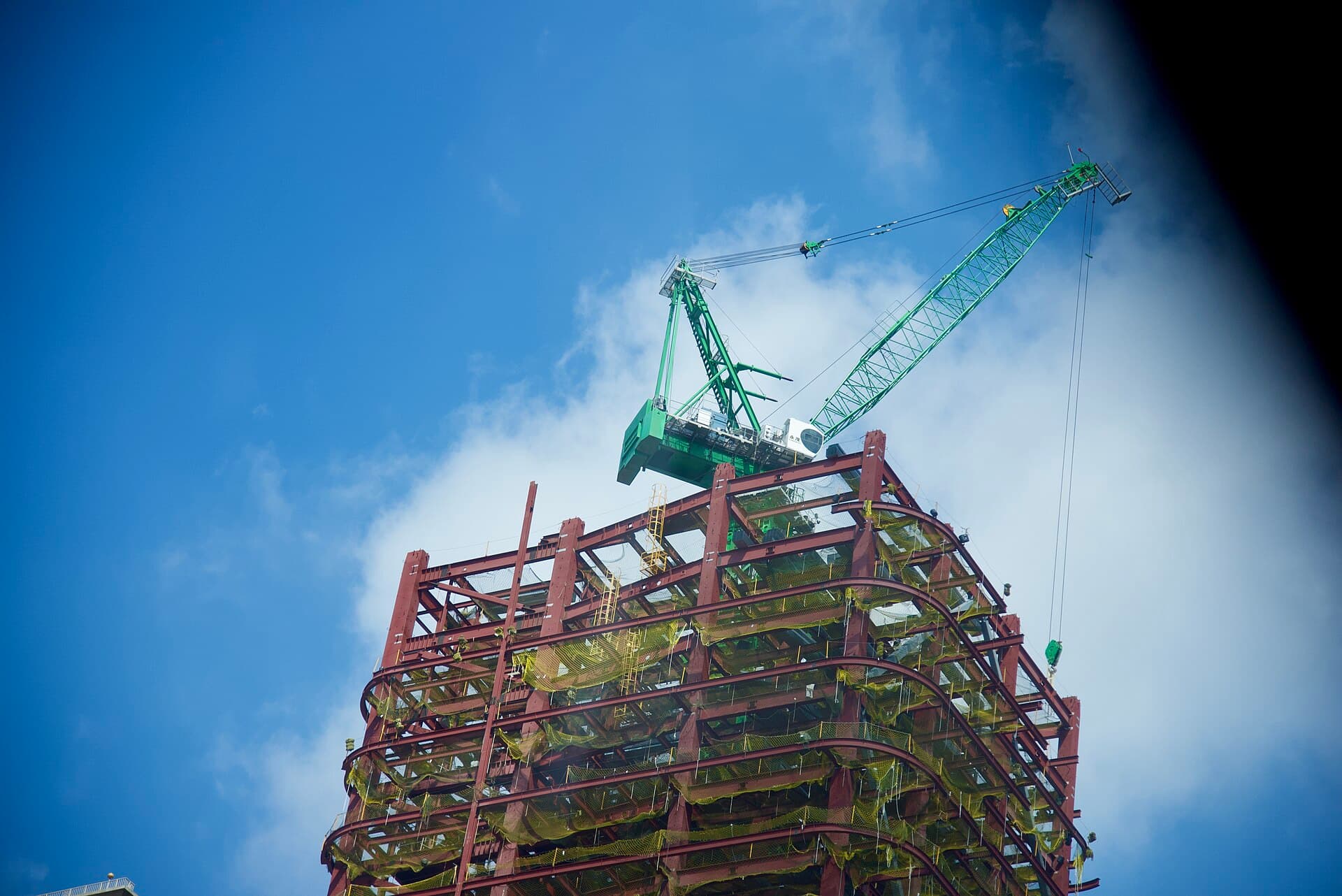
Choosing between timber, steel and masonry in 2026
Fire, span, labour, lead time, thermal behaviour and termites decide the frame more honestly than a mood board. This essay sets out when timber, steel and masonry still win on an Australian site, and what the NCC will ask of each.
Priya Nair · 10 September 2026
Materials
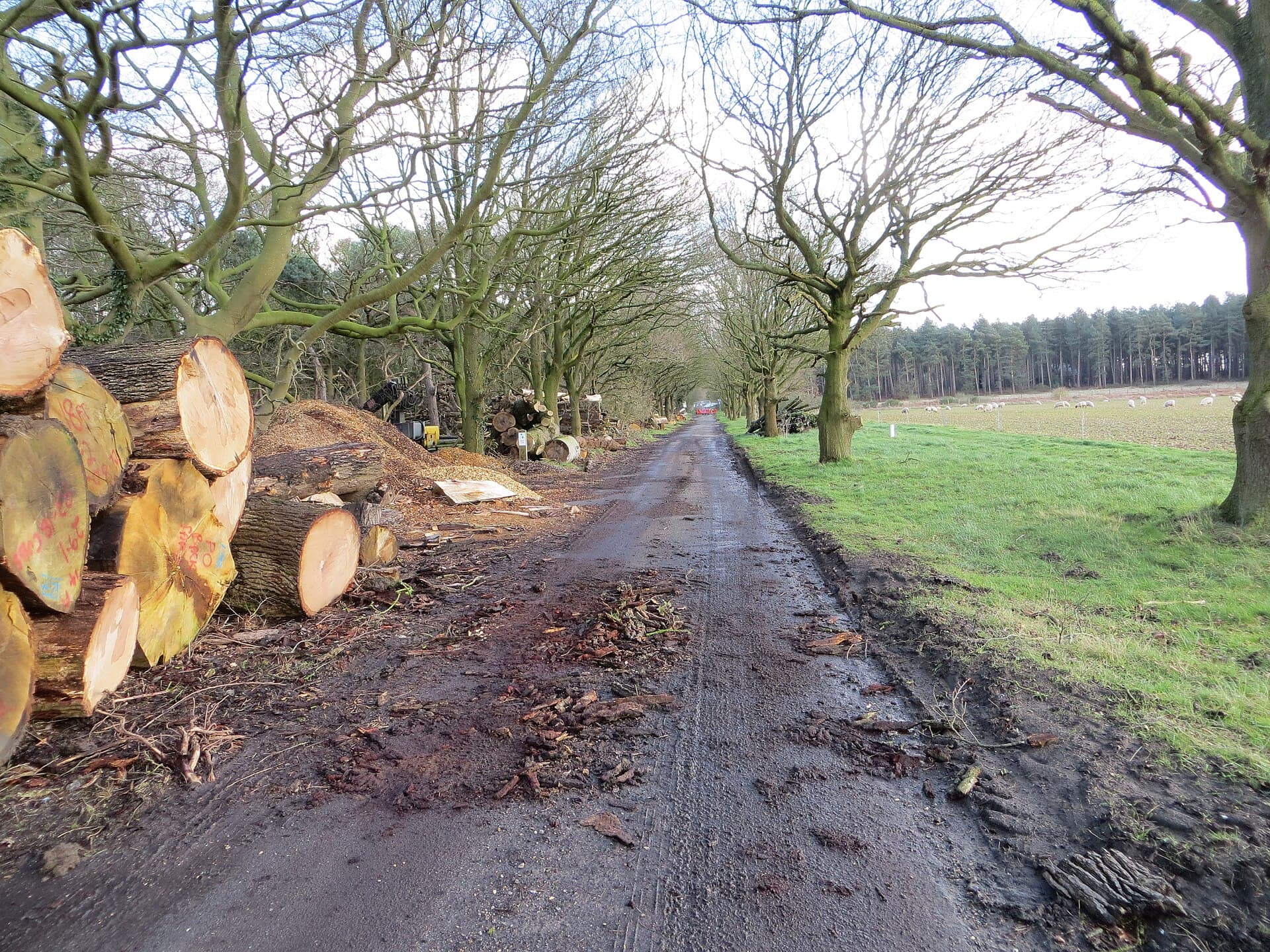
Recycled and reclaimed materials that still pass the NCC
Reuse is cheaper when the material already has a grade, a fire story and a clean bill of health. This essay covers evidence of suitability, contamination, and the difference between a lawful second life and a photograph of virtue.
Priya Nair · 7 July 2026
Materials
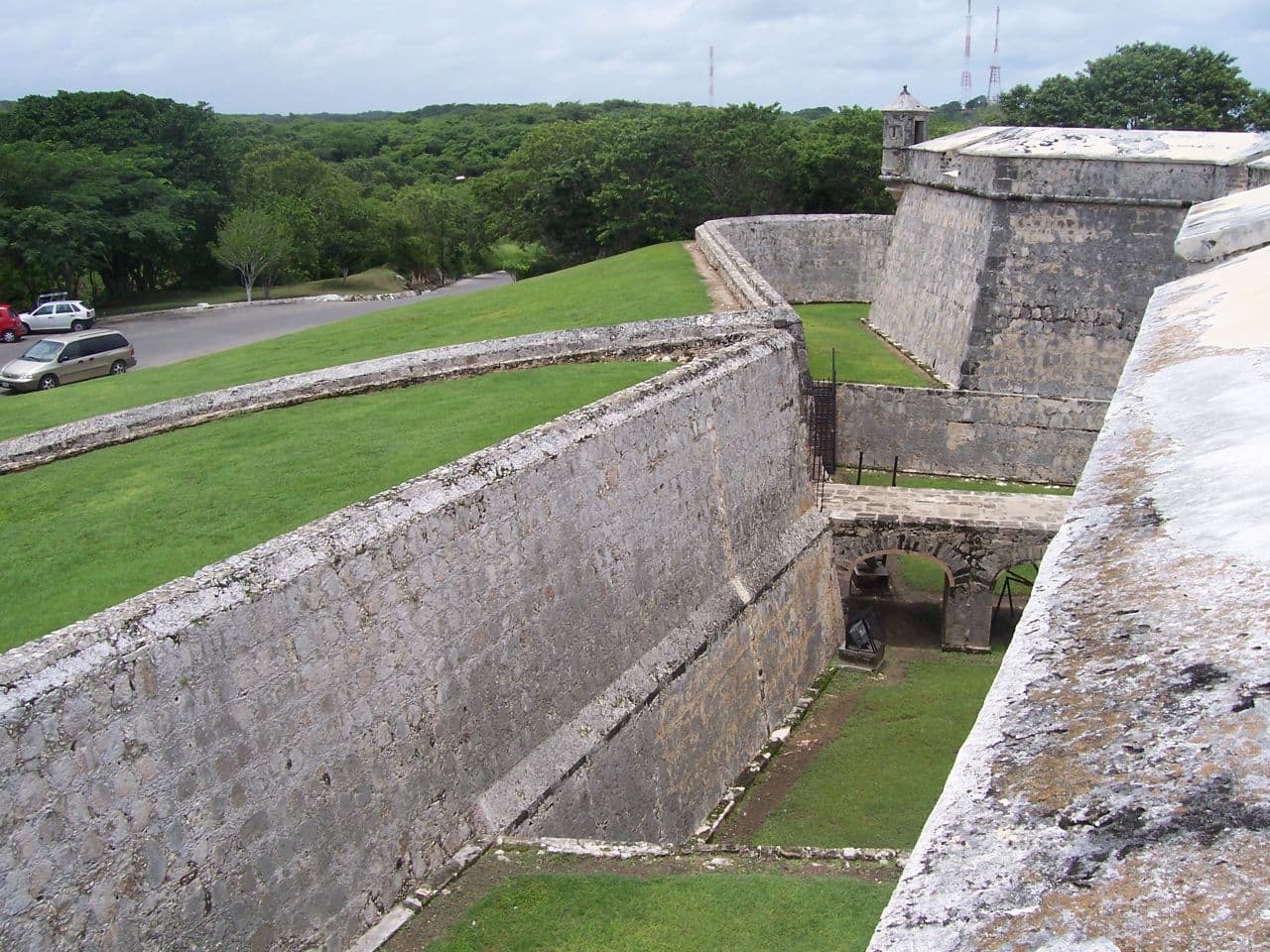
Windows, thermal mass and the forgotten facade
Glazing ratio, SHGC and eaves decide the rooms. Mass only works when it is coupled to shade and night air. This essay treats the wall that is not the view as the climate work a house cannot skip.
Priya Nair · 16 June 2026