Australian hardwoods: specification without the romance
Durability class, moisture and movement decide a hardwood job more honestly than a species name. This essay covers substitution, finishes, and the diligence illegal-logging law still requires when the board has a story.
By Priya Nair, Materials editor · 7 min read
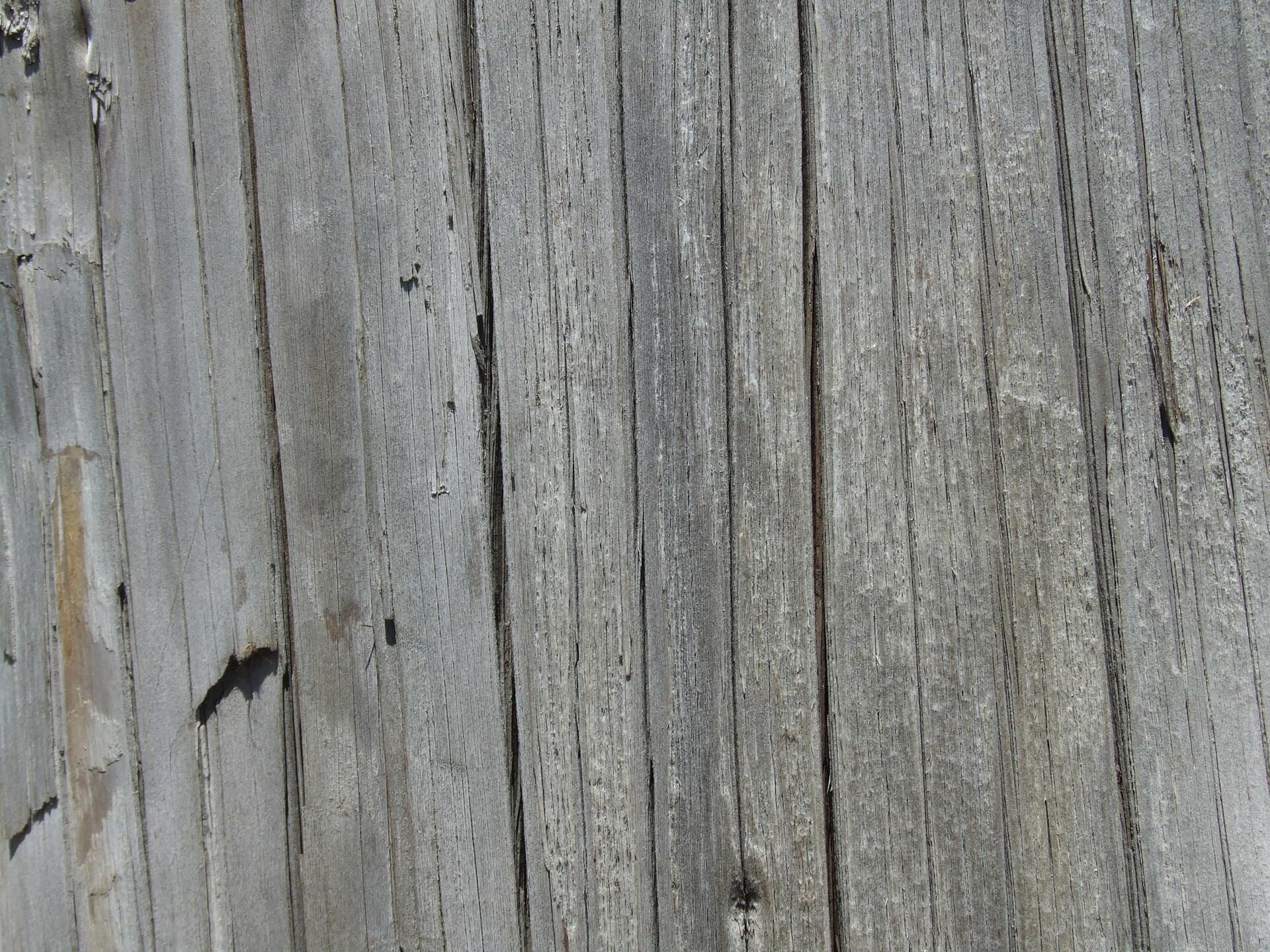
Image: Titus Tscharntke. Public domain. See the image credits.

Australian hardwood is sold as a character. Spotted gum on a deck, blackbutt on a floor, jarrah in a window that someone restored, ironbark in a post that will outlast the house. The character is real. It is also a poor specification. What the timber will do in this climate, in this joint, at this moisture content, is a set of classes and numbers. Romance does not appear in AS 5604. Termites do not read a species list.
This is a materials essay, not a catalogue of favourite trees. The wider choice of frame sits in the materials hub. What you do to the timber after handover, which is most of its life, belongs with specifying for maintenance, not handover. What follows is how to write a hardwood so that a merchant, a builder and a future carpenter are talking about the same board.
Durability is a class, not a reputation
AS 5604 ranks the natural durability of heartwood in-ground and above-ground. Class 1 is the long game: ironbark, tallowwood, grey gum. Class 2 is still serious — spotted gum, many blackbutts, jarrah in its better expressions. Class 3 is a shorter outdoor life. Class 4 is interior, or a very short outdoor experiment. Sapwood of almost any species is not the class on the chart. It is a different material attached to the heartwood you wanted.
Write the class for the use, then the species that can meet it:
- In-ground or in concrete: Class 1, or a treated member whose treatment is specified to the hazard class, not "treated pine" as a vibe. A hardwood post in a stirrup that stays wet is still an in-ground conversation.
- Decking and external joinery: above-ground class that matches the life you are promising, and a detailing that lets the water leave. A Class 2 deck with no gap, no fall and a garden bed against the edge is a Class 2 timber in a Class 1 climate.
- Internal floors and lining: durability is quieter. Movement, hardness, lyctus and finish do the work.
- BAL and bushfire-prone external timber: the standard and the insurer may veto the species or the section you loved. Check before the deck is the concept.
Merchants will offer "mixed hardwood" as if it were a class. It is a pile. If the job is a visible floor, specify the species. If the job is a hidden joist, specify the class, the grade and the treatment, and inspect what arrives.
Treatment is not a personality transplant
H3 and H4 mean what they mean. They do not make a Class 4 heartwood into ironbark. They do not make sapwood into heartwood. They do not survive a cut end that was never retreated. Write the hazard class, the retention, and the requirement to treat cuts, notches and bores. Then decide whether a naturally durable heartwood, detailed to dry, is the quieter specification.
Moisture is the dimension you cannot see on a sample
Hardwood moves most in the first year after it leaves a kiln, and it keeps moving with the seasons. A board at 12 per cent in a coastal yard, laid in an air-conditioned room, will shrink. A deck board sealed on one face will cup.
Specify moisture content as a range for the use, and specify acclimatisation as a step, not as a hope:
- Interior flooring in a conditioned house wants a lower, tighter range than a verandah beam
- Exterior boards should be at a moisture that matches the climate they will live in, not a desert kiln and a tropical site
- Thick sections — posts, landing treads, a butcher's block sold as architecture — dry slowly. The centre is wetter than the face. That is how checks start
A moisture meter on site is how you refuse a pack that sat in the rain under a torn wrap. The climate will finish any drying you did not. It will not finish it evenly. If you specify a lyctid-susceptible species, specify the treatment or specify heartwood only. A floor that dusts with frass in year three is a sapwood specification that nobody wrote.
Movement is why the gap is part of the drawing
Tangential movement is larger than radial. Back-sawn boards will show it. A high-movement hardwood used as a wide floor board in a dry interior is a gap factory. None of them will forgive a board laid tight in a wet week.
Write the movement as details, not as a warning in a preamble:
- Deck gaps that remain gaps after the first summer
- Floor expansion allowances at walls, islands and sliding-door tracks
- Fixings that allow the board to move — the right clip or screw pattern, not a glue theory from a colder country
- Junctions with rigid materials: a stone hearth, a steel trim, a tile that will not move when the timber does
End grain is where Australian sun and rain eat a board. Seal it. Keep it out of a puddle. Do not stand a post in a planter and expect the class to compensate.
Species substitution is how specifications die
The named species is often a colour. Spotted gum for the warm ribbon, blackbutt for the paler floor, merbau for the deck everyone used to draw. When the pack is not available — and in 2026 availability is a weekly fact — the merchant will offer a substitute that is "very similar".
Similar must be written as properties:
- Durability class, in-ground and above-ground as relevant
- Strength group, if the member works
- Unit shrinkage and likely movement
- Hardness, if it is a floor
- Lyctus status and any required treatment
- Colour and grain, last, as a sample the client has seen, not as a name
Merbau and other imported tropical hardwoods carry the diligence problem below. If you specify them, specify the legal origin and the grade. If you substitute them, do not substitute with a Class 4 mixed hardwood and the same oil. Treated plantation softwood is sometimes the honest substitute for a hidden member. The romance of a hardwood joist nobody will see is how you pay twice.
Finishes are a maintenance regime
Oil, stain and a film-forming coating are three different jobs. Oil feeds a surface and asks to be done again. A film is a skin that will fail as a skin, usually in sheets, usually on the sunward face. None of them is a durability class.
Match the finish to the use and to the person who will maintain it:
- A deck in full sun wants a finish someone will reapply, or a species and a weathering you will accept as grey
- A floor in a family room wants a film or a hardwax that can be repaired in traffic lanes, not a museum oil
- External joinery wants a system the painter can recoat without stripping the building
- A BAL-rated external timber may have a finish constraint you do not get to invent
Grey hardwood is a legitimate finish. If the client wants the honey colour of the sample for ten years, they are buying a maintenance contract. Write it. Extractives will stain render and pale paving. A spotted-gum screen over a white wall without a drip is a specification the first rain will write.
Illegal logging, diligence and the story that is not a certificate
Australia's illegal-logging laws ask importers and some processors to exercise due diligence on listed timber. They do not ask an architect to be a customs officer. They do ask that a specification for imported hardwood is not a shrug. If the species is not an Australian-grown board with a traceable mill, you need a chain of custody that would survive a question: legality, species, harvest area, and a supplier who can show their process.
FSC and PEFC fail when the certificate is photocopied and the pack is something else. They succeed when the invoice, the stamp and the board agree. "Reclaimed" is not a chain of custody. If you want salvage, write the source and the grading. Do not write "ethically sourced hardwood" and leave the merchant to invent the ethic. Name the performance. Name two or three species that meet it. The floor has to be repeatable.
A species is a tree. A specification is a class, a moisture and a joint. Only one of those belongs on a drawing as the whole story.
Write the board so it can be replaced
Hardwood fails at the joint, the end grain, the fastener and the finish. It succeeds when the next carpenter can find the same class and the same section in five or fifteen years.
Put on the drawing, not in a preamble nobody reads:
- Species, or a short list of permitted substitutes with the properties that must match
- Grade and any treatment, including cuts
- Moisture range at installation
- Durability class and the use (in-ground, above-ground, interior)
- Fixing, gap and finish, with a recoat interval the owner can see
- Diligence documents required before the pack is accepted
Then inspect what arrives. The sample was a board. The pack is a population. Write the class, the moisture and the joint. Let the grain do what grain will do, which is enough.
Questions from the job
- If the specified species is unavailable, can I accept a "similar hardwood"?
- Only if the substitute matches the durability class, the strength group, the movement, the lyctus status and the finish you had in mind, in writing. Similar colour is not a specification. A merchant's phrase is how a Class 3 deck becomes a Class 4 disappointment with the same stain. Name the properties. Then name the species that can meet them.
- Does oiling a deck replace a durability class?
- No. A finish is weather and colour. It is not in-ground or above-ground durability, and it is not a treatment. Oil on a Class 4 timber used as a ground-level joist is a maintenance ritual on a member that is already in the wrong job. Put the right class in the weather, then argue about the oil.
Keep reading in Materials
Materials
Choosing between timber, steel and masonry in 2026
Fire, span, labour, lead time, thermal behaviour and termites decide the frame more honestly than a mood board. This essay sets out when timber, steel and masonry still win on an Australian site, and what the NCC will ask of each.
Priya Nair · 10 September 2026
Materials
Concrete done properly in an Australian climate
Mix, cover, heat and shrinkage decide whether a slab is a structure or a claim. This essay covers exposure classification, curing in real weather, and pouring on reactive clay without rewriting the engineer's assumptions.
Priya Nair · 11 August 2026
Materials
Recycled and reclaimed materials that still pass the NCC
Reuse is cheaper when the material already has a grade, a fire story and a clean bill of health. This essay covers evidence of suitability, contamination, and the difference between a lawful second life and a photograph of virtue.
Priya Nair · 7 July 2026